
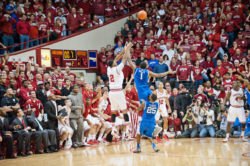
Over the last decade, the moment has become synonymous with Indiana basketball. Christian Watford’s inbounds pass to Verdell Jones III. The screen set by Cody Zeller. The 3-pointer launched into the heavens. Narrated by the likes of ESPN’s Dan Shulman ...
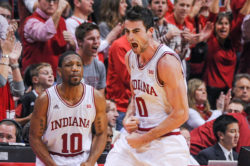
Editor’s note: In celebration of the 13th anniversary of Inside the Hall’s launch next month, we will periodically be republishing some of our favorite stories from over the years. Originally published: March 5, 2014 by Jordan Littman Indiana coach Tom ...
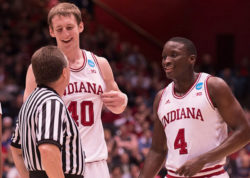
Welcome to the final recap of the 2010s Assembly Call / Inside The Hall IU players round-robin tournament. Over the past few weeks, we have explained how this tournament came to be, recapped the drafting of teams and completed all ...
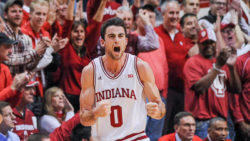
Former Indiana forward Will Sheehey played at Indiana from 2010-2014 and made a lot of memorable moments for the Hoosiers during his career. Sheehey, who has recently retired from playing basketball, spoke at length with Inside the Hall about his ...
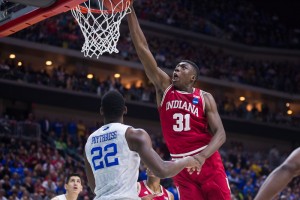
Welcome to the final round of the 2010s Assembly Call / Inside The Hall IU players round-robin tournament. Previously, we revealed the draft on Podcast on the Brink, sent out an introduction post for the tournament and contested the first ...
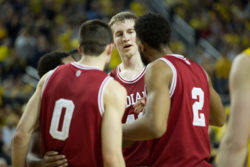
Welcome back to round two of the 2010s Assembly Call / Inside The Hall IU players round-robin tournament. Last week, we revealed the draft on Podcast on the Brink, sent out an introduction post for the tournament and began round ...
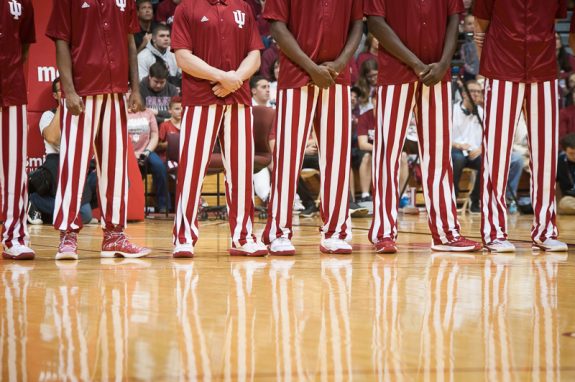
The players have been selected, the teams have been formed and the voting can now commence in round one of the 2010s Assembly Call / Inside The Hall IU players round-robin tournament. Earlier this week, the results of the 2010s ...
The past decade in Indiana basketball has given us plenty of notable on and off-court moments, but more than anything else the lasting impact of the past 10 years of IU hoops has come from the players who represented the ...
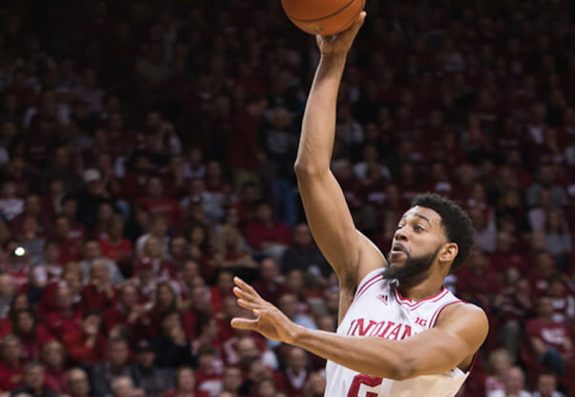
For the third consecutive year, a team chock-full of former Hoosiers has advanced to the Super 16 of The Basketball Tournament. Armored Athlete, which stars Will Sheehey, Christian Watford and Jordan Hulls, made it all the way to the final ...

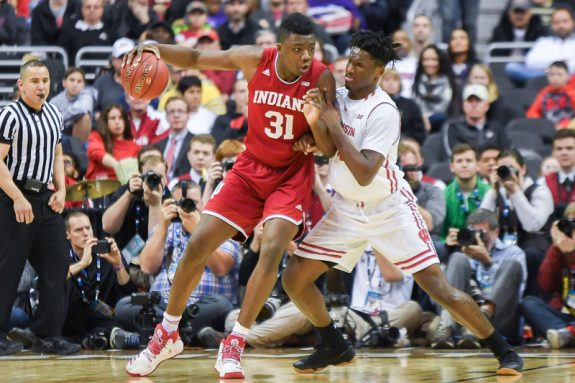
The NBA Summer League in Vegas concluded on Monday night with the Los Angeles Lakers and Thomas Bryant winning this year’s crown. Here’s a final look at how all five Hoosiers who participated in Vegas (and Utah) fared this month: ...
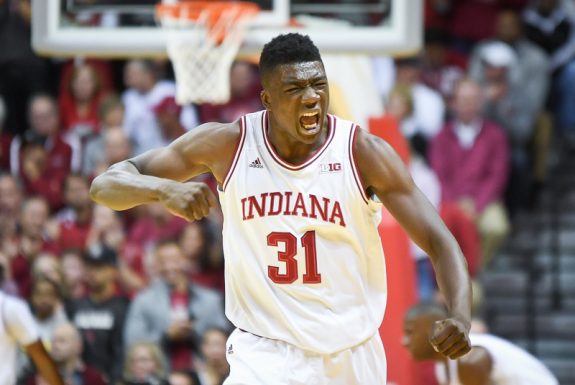
With the quarterfinals set, the Las Vegas Summer League is in the home stretch. All five Hoosiers still have at least one more game to play, and both Yogi Ferrell and Thomas Bryant are in contention for the Las Vegas Summer ...
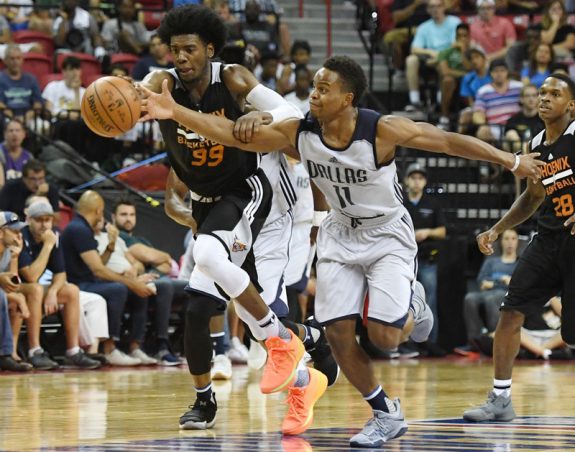
Five former Hoosiers are competing in the Las Vegas NBA Summer League. Through Sunday evening, each team has played two of at least five guaranteed games. Here is how the former IU players that are participating have fared: Thomas Bryant, ...
Two former Indiana standouts looking to land guaranteed NBA contracts for next season got off to a positive start on Friday in the Las Vegas Summer League. Troy Williams, who spent his rookie season with Memphis and Houston as well ...
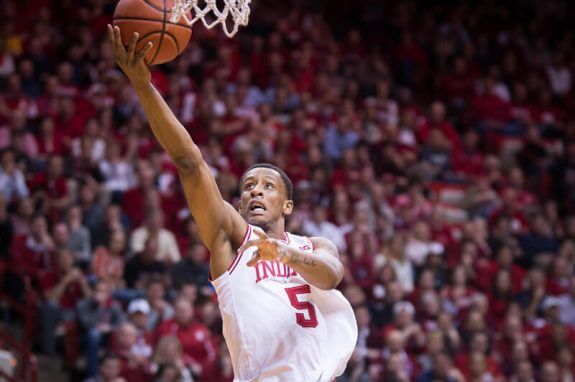
The Utah and Orlando NBA summer leagues have already tipped off and the Vegas Summer League begins Friday. Several former Hoosiers are participating and here’s a rundown of when you can catch each of them in action on NBA TV ...
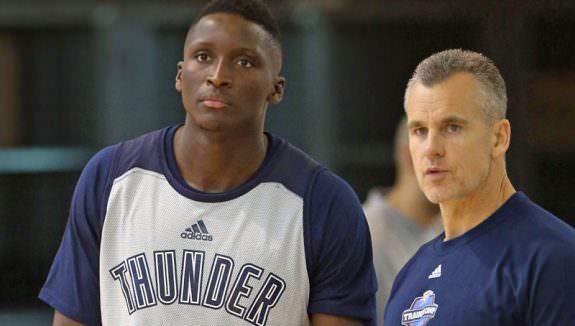
The NBA tips off later this month and several professional leagues around the world are already underway. Here’s a look at where former Indiana players will be suiting up professionally this season: Cody Zeller, Charlotte Hornets (NBA) Zeller is entering his fourth season ...
After spending parts of last season in Montenegro and also in the NBA Development League, Will Sheehey has agreed to spend his second professional season in France. According to Sheehey’s agent, Keith Kreiter of Edge Sports, the former IU forward ...